Lifespan Integration

Healing Trauma Across Your Life
Lifespan Integration (LI) is a gentle, body-based therapy that works at the level of implicit memory, where body sensations, emotions, and automatic responses are stored. Rather than talking about the past, LI helps your nervous system feel, in a deep and lasting way, that the past is over.
LI doesn't ask you to relive what happened. Over time, your mind and body begin to connect the dots between then and now, and the past gradually takes its proper place in your story rather than continuing to drive it. Over time, your nervous system reorganizes itself and settles into a felt sense of being here, in the present.
What is trauma?
Trauma is what happens when an experience is too much, too soon, too fast, or not enough for too long. It's not the event itself, but the energy that gets locked in your body around real or perceived threat. That energy can distort your sense of self and chip away at your ability to feel safe, capable, and grounded.
Trauma also creates fragmentation. When we are overwhelmed beyond what our nervous system can handle, parts of us get stuck at that moment in time, unable to grow forward with the rest of us. This is why we can find ourselves, or the people we love, suddenly responding like a much younger version of ourselves, even as fully grown adults.
To survive, we learn to leave parts of ourselves behind. Emotional parts get pushed to the sidelines while the rational, functioning parts carry on with daily life. But when a trigger shows up, those emotional parts come flooding back, creating the chain of reactions we call trauma responses.
Why does healing require more than understanding?
Unprocessed trauma doesn't stay in the past. It lives in an ever-present now, quietly shaping how you see yourself, how you connect with others, and how safe you feel in your own body. You might find yourself reacting with an intensity that doesn't match the moment or feel stuck in patterns you can't think your way out of, no matter how much insight you have. Healing isn’t just about understanding what happened. It’s about helping every part of you, mind, body, and nervous system, come to know that it’s over.
How Lifespan Integration Works
Your nervous system has an innate drive toward healing. Just as an acorn knows how to become an oak tree, your system knows how to reorganize itself when the right conditions are in place. LI creates those conditions.
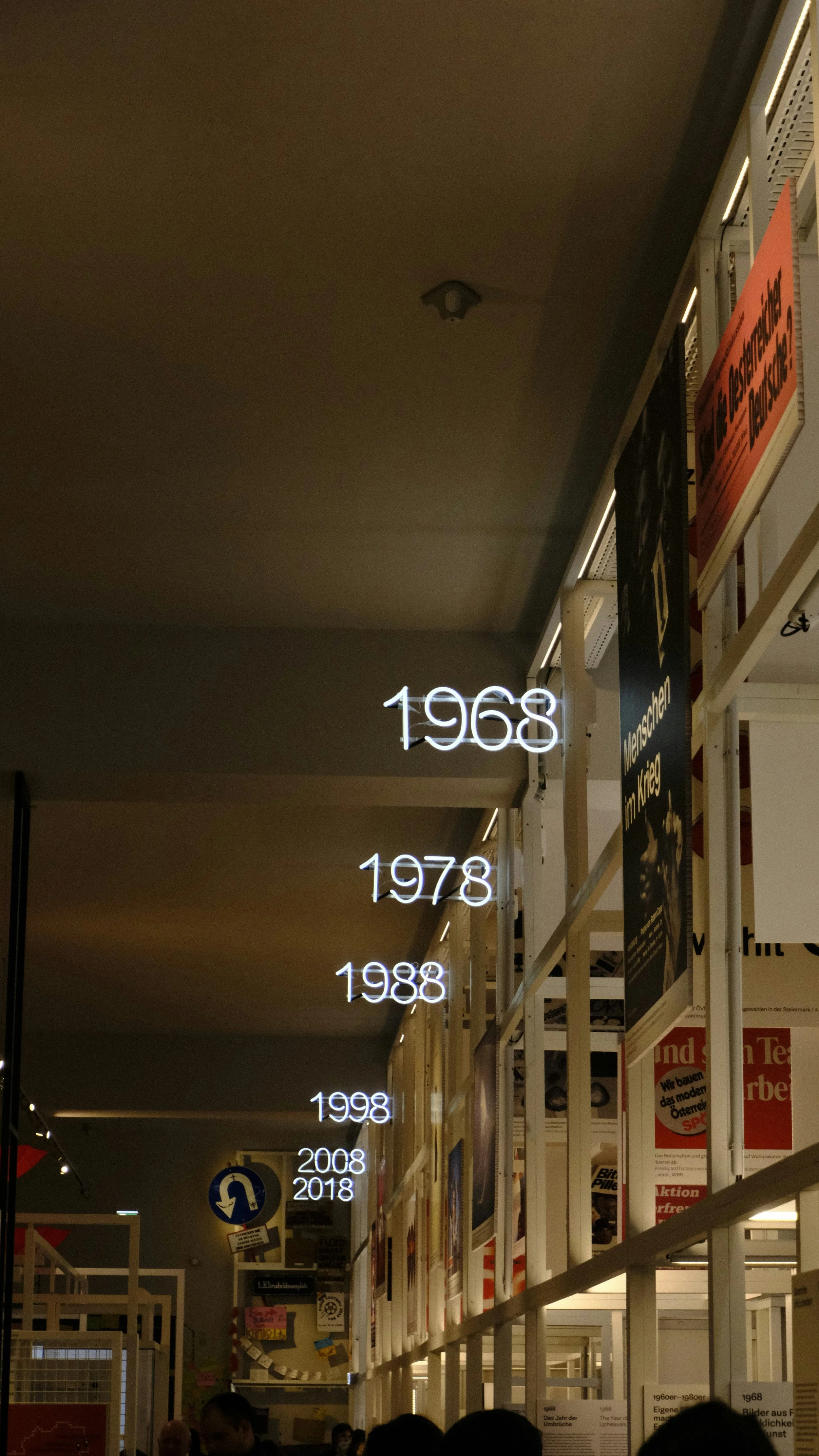
We begin by building your timeline, a sequence of short memory cues from your life arranged chronologically. Many clients find that simply building the timeline brings a sense of clarity or relief. The organizing itself is part of the healing.
In sessions, I guide you through gentle repetitions of this timeline, moving through your life cue by cue. Many clients describe it as watching a slideshow of their life. You don't have to do anything except notice. Your brain and body do the rest.
The timeline work moves quickly and always ends in the present moment. With each repetition, your mind and body begin to make meaningful connections between past and present, until your nervous system registers, on a felt level: I am here. I am safe. That was then.
What Can LI Help With?
LI uses specific protocols to address a wide range of healing needs, including recent trauma, childhood trauma, birth and pre-verbal trauma, and attachment wounds. Other protocols focus on strengthening your relationship with younger parts of yourself and deepening your core sense of who you are. All protocols include timeline repetitions, an element that is unique to Lifespan Integration.
The more connected we are at a neural level, the stronger our sense of self, and the greater our capacity to respond to life rather than simply react to it.
What Are Sessions Like?
There is no need to relive the past in LI. The work is designed to be gentle, and I am committed to moving at a pace that honors your nervous system. After sessions, clients often describe a sense of acceptance, self-compassion, and a feeling like a weight has been lifted. It is also common for clients to notice spontaneous changes in reactivity, sleep, and emotional capacity.
If you've tried to think your way through something and found yourself still stuck, LI offers a different door.